

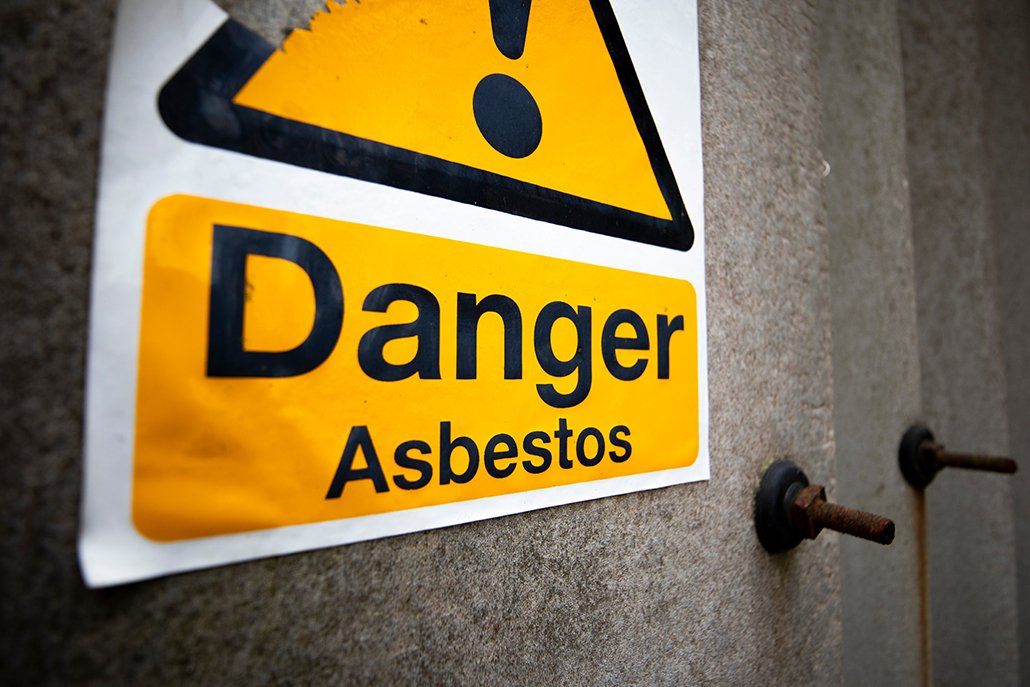
For decades, the Tennessee Eastman Company has been a major industrial employer in Kingsport, serving as a pillar of our local economy. While many have built successful careers at the facility, there is a darker chapter in its history that continues to affect former workers today. During much of the 20th century, asbestos was widely used in industrial settings for insulation, fireproofing, and construction materials before its severe health risks were fully understood or regulated.
If you or a loved one worked at the Eastman Chemical plant, particularly before the 1980s, you may have been exposed to this hazardous material without your knowledge. The latency period for asbestos-related diseases like mesothelioma, asbestosis, and lung cancer can span 20 to 50 years, meaning symptoms are often just now appearing for retirees who left the workforce decades ago. We understand that facing a serious diagnosis after years of hard work is overwhelming. Our goal is to provide you with the information you need to understand your rights and the potential connection between your illness and your past employment.
The Hidden Dangers of Industrial Insulation
In the mid-20th century, asbestos was considered a miracle mineral due to its heat resistance and durability. It was standard practice to use it heavily in chemical plants like Tennessee Eastman to insulate pipes, boilers, steam lines, and furnaces. Workers who installed, repaired, or removed this insulation were at the highest risk, but the danger extended far beyond just the maintenance crews. Asbestos fibers are microscopic and easily airborne. When insulation was disturbed during routine plant operations or renovations, these toxic fibers could drift through the facility, exposing anyone in the vicinity.
We often hear from clients who never handled asbestos directly but worked as pipefitters, electricians, welders, or general laborers nearby. They may not recall seeing “dust” in the air, yet they breathed in fibers that would silently damage their lungs over decades. The reality is that no level of asbestos exposure is safe. Once inhaled, these fibers lodge in the lining of the lungs or abdomen, causing inflammation and scarring that can eventually mutate into cancer. Recognizing that your past work environment might be the source of your current health struggles is the first step toward seeking justice.
Recognizing the Symptoms of Asbestos-Related Disease
Because the damage caused by asbestos takes so long to manifest, connecting a current diagnosis to a job held thirty or forty years ago can be difficult for many families. However, knowing the specific symptoms associated with asbestos exposure is crucial for early detection and proper treatment. The most severe condition linked to asbestos is mesothelioma, an aggressive cancer affecting the lining of the lungs, heart, or abdomen. Unfortunately, the early warning signs of mesothelioma often mimic less serious conditions, leading to misdiagnoses of pneumonia or bronchitis.
You should be vigilant if you experience persistent shortness of breath, a chronic dry cough, chest pain, or unexplained weight loss. Asbestosis, a chronic lung disease caused by inhaling asbestos fibers, presents similar respiratory challenges and can lead to permanent lung damage. If you have a history of employment at Tennessee Eastman or other industrial sites in the Tri-Cities area, we strongly advise sharing this work history with your doctor. Medical professionals can look for specific markers of asbestos exposure, such as pleural plaques or scarring on lung scans, which confirm the link to your occupational history and open the door for potential compensation.
Your Rights to Compensation and Justice
Learning that a preventable exposure to toxic materials caused your illness brings up feelings of anger and uncertainty. It is important to know that you are not alone and that the law provides avenues for recourse. Manufacturers of asbestos-containing products knew of the dangers long before they warned workers, and they can be held accountable for the harm they caused. Pursuing a legal claim is not about undoing the past, but about securing the financial resources necessary to cover medical treatments, lost wages, and the pain and suffering your family has endured.
Navigating asbestos claims in Tennessee requires a deep understanding of state laws and the specific history of local industrial sites. Unlike a standard workers’ compensation claim, asbestos litigation often involves filing claims against the manufacturers of the asbestos products used at the plant, rather than the employer itself. There are also specific trust funds established by bankrupt asbestos companies to pay out victims. Our team possesses the expertise to identify every potential source of compensation available to you. We are dedicated to investigating your specific work history to build a compelling case that protects your future.
Moving Forward with Confidence
Facing a diagnosis related to asbestos exposure is a heavy burden, but you do not have to carry it by yourself. The legacy of asbestos use at Tennessee Eastman is a complex issue affecting many in our community, and understanding the link between your past work and your current health is essential. We have stood by many workers and their families as they navigate this difficult terrain, offering not just legal representation but a compassionate hand to guide them through the process.
If you suspect your illness is linked to your time at the plant, prompt action is vital. Statutes of limitations restrict the time you have to file a claim after a diagnosis. By seeking experienced legal counsel, you ensure that your rights are preserved and that you have the best possible chance of securing the support you deserve. We are here to listen to your story, investigate the details of your employment, and fight tirelessly to hold the responsible parties accountable for their negligence.
Frequently Asked Questions About Asbestos Claims
How long do I have to file an asbestos claim in Tennessee?
In Tennessee, the statute of limitations for filing a personal injury claim related to asbestos exposure is generally one year. However, unlike a car accident where the clock starts ticking immediately, the one year for asbestos claims typically begins on the date of your diagnosis or when you reasonably should have discovered the connection between your illness and asbestos exposure. This is known as the “discovery rule.” Because these laws can be complex and strict, it is critical to consult with an attorney as soon as you receive a diagnosis to ensure you do not miss your opportunity to seek compensation.
Can I still file a claim if the company that manufactured the asbestos went out of business?
Yes, you can often still recover compensation even if the manufacturer of the asbestos products is bankrupt. Many companies that produced asbestos materials were overwhelmed by lawsuits and filed for bankruptcy protection. As part of their reorganization, courts ordered these companies to establish asbestos bankruptcy trust funds to compensate future victims. There are billions of dollars currently allocated to these trusts. An experienced attorney can identify which trusts you may be eligible to file a claim against based on the specific products you were exposed to during your career.
At Hawkins Bingham & Miller, we have spent decades protecting the rights of injured workers in Kingsport and throughout the Tri-Cities. We combine our deep local roots with board-certified expertise to provide you with the compassionate, authoritative representation you deserve. If you have questions about a potential case, we invite you to schedule a consultation with our team today.