

When you visit a store, a restaurant, a public park, or even a private residence, you expect the environment to be reasonably safe. Unfortunately, accidents happen, and injuries can result from unsafe conditions on someone else’s property. When this occurs, the legal concept of premises liability comes into play. This area of law determines whether a property owner or occupier can be held responsible for injuries sustained by a visitor.
At Hawkins Bingham & Miller PC, we have seen firsthand the devastating impact these incidents can have on individuals and their families. Understanding your rights is the first step toward seeking justice and compensation. This article will explain the core principles of premises liability in Tennessee, outlining the duties of property owners, the different types of visitors, and the elements required to build a successful claim. We will provide the clarity you need to navigate this complex legal area.
What is Premises Liability?
Premises liability is a legal principle that holds property owners and occupiers accountable for accidents and injuries that occur on their property. The basis of this principle is the owner’s duty to maintain a reasonably safe environment for visitors. If they fail in this duty, and someone is harmed as a result of their negligence, the owner may be liable for the resulting damages. These damages can include medical expenses, lost wages, pain and suffering, and other related costs.
Common examples of incidents that can lead to a premises liability claim include:
- Slip and fall accidents due to wet floors, icy sidewalks, or uneven surfaces.
- Injuries from falling objects or merchandise in a store.
- Dog bites or animal attacks.
- Accidents caused by inadequate lighting or broken stairs.
- Assaults resulting from negligent security measures.
- Swimming pool accidents.
A successful claim requires proving that the property owner was negligent. This means demonstrating that they knew or should have known about a hazardous condition but failed to take reasonable steps to fix it or warn others about it. Our team is experienced in investigating these cases to establish the facts and hold the responsible parties accountable.
The Property Owner’s Duty of Care
In Tennessee, the responsibility of a property owner depends heavily on the legal status of the person visiting the property. The law categorizes visitors into three main types: invitees, licensees, and trespassers. Each category is owed a different level of care. Understanding which category you fall into is crucial for determining the strength of your potential claim.
Invitees: The Highest Level of Protection
An invitee is someone who is invited onto a property for the commercial benefit of the owner. This includes customers in a retail store, patrons at a restaurant, or clients visiting an office. Property owners owe the highest duty of care to invitees.
This duty involves two key responsibilities:
- To Correct Dangers: The owner must actively inspect their property for any hazardous conditions and repair them promptly. This could mean cleaning up a spill, fixing a broken handrail, or repairing a pothole in the parking lot.
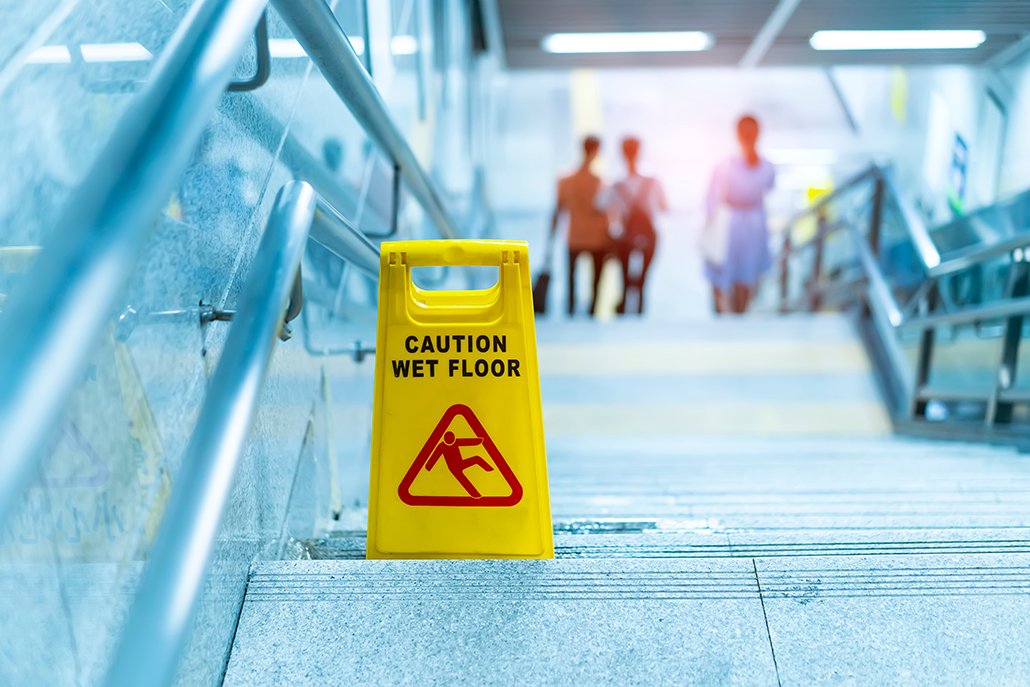
- To Warn of Dangers: If a hazard cannot be immediately fixed, the owner must provide adequate warning to prevent injuries. A “wet floor” sign is a classic example of this.
For an invitee to have a valid claim, they must show that the owner had actual or constructive notice of the dangerous condition. Actual notice means the owner was directly aware of the problem. Constructive notice means the condition existed for long enough that a reasonably prudent owner should have discovered it through regular inspection and maintenance.
Licensees: A Lower Duty of Care
A licensee is a social guest who is on the property for their own purposes with the owner’s permission. This includes friends or family members visiting a private home. The duty owed to a licensee is less stringent than that owed to an invitee.
A property owner is only required to warn a licensee of a dangerous condition that the owner knows about. Unlike the duty to invitees, there is no legal obligation to inspect the property for unknown hazards. For example, if a homeowner knows a step on their porch is loose but fails to warn a visiting friend who then falls and is injured, the homeowner could be liable. However, if the owner was unaware of the loose step, they would likely not be held responsible.
Trespassers: Minimal Legal Protection
A trespasser is someone who enters a property without any legal right or permission from the owner. Property owners owe the lowest duty of care to trespassers. Generally, an owner cannot intentionally harm a trespasser. They are not, however, required to make their property safe for them or warn them of potential dangers.
There is a significant exception to this rule known as the “attractive nuisance” doctrine. This doctrine applies to children who may be lured onto a property by a potentially dangerous feature, such as a swimming pool, a trampoline, or old machinery. Property owners have a higher duty to protect children from these dangers, even if they are trespassing. If an owner fails to take reasonable steps to secure an attractive nuisance (like putting a fence around a pool), they may be held liable if a child is injured.
Proving Negligence in a Premises Liability Case
Simply being injured on someone else’s property does not automatically mean the owner is liable. To win a premises liability case, you and your legal team must prove four specific elements of negligence. The failure to establish even one of these elements can result in the dismissal of your claim.
1. A Duty of Care Existed
The first step is to establish that the property owner owed you a duty of care. As discussed above, this depends on your status as an invitee, licensee, or trespasser at the time of the injury. For most cases involving customers or clients, proving you were an invitee is a straightforward starting point.
2. The Duty of Care Was Breached
Next, you must demonstrate that the property owner breached their duty. This means they failed to act as a reasonable property owner would under similar circumstances. Evidence for this breach could include proof that the owner:
- Failed to clean up a spill in a reasonable amount of time.
- Did not repair a known hazard, like a broken stair.
- Failed to place warning signs around a dangerous area.
- Did not conduct regular safety inspections.
Gathering evidence such as photos of the hazard, incident reports, and witness statements is critical at this stage.
3. The Breach Caused Your Injuries
This element, known as causation, connects the owner’s negligence directly to your injury. You must prove that “but for” the owner’s breach of duty, you would not have been harmed. For instance, you must show that the wet floor caused you to slip, not that you simply lost your balance. Opposing counsel will often try to argue that your own carelessness contributed to the accident, so establishing a clear link between the hazard and the injury is essential.
4. You Suffered Damages
Finally, you must prove that you incurred actual damages as a result of the injury. These are the tangible and intangible losses for which you are seeking compensation. Damages in a premises liability case can include:
- Medical Bills: Costs for emergency care, surgery, hospitalization, physical therapy, and future medical needs.
- Lost Wages: Income lost from being unable to work during your recovery.
- Loss of Earning Capacity: If the injury results in a long-term or permanent disability that affects your ability to earn a living.
- Pain and Suffering: Compensation for physical pain, emotional distress, and loss of enjoyment of life.
Our experienced team can help you document these losses and calculate the full value of your claim. If you believe you have been injured due to a property owner’s negligence, consulting with a knowledgeable personal injury lawyer in Kingsport, TN, is a vital step toward protecting your rights.
You do not have to face this challenge alone. The legal system can be complex, but with experienced and compassionate guidance, you can seek the justice you deserve. We are committed to providing our clients with personalized attention and an honest assessment of their situation.
Frequently Asked Questions (FAQ)
What should I do immediately after being injured on someone else’s property?
First, seek medical attention for your injuries. Then, if possible, report the incident to the property owner or manager and ensure an official report is filed. Take photos and videos of the hazard that caused your injury and the surrounding area. Collect contact information from any witnesses. Finally, contact an attorney before speaking with any insurance adjusters.
How long do I have to file a premises liability claim in Tennessee?
In Tennessee, the statute of limitations for personal injury cases, including premises liability, is generally one year from the date of the injury. It is crucial to act quickly to ensure you do not lose your right to file a lawsuit.
Founded in 1957, the personal injury law firm of Hawkins Bingham & Miller PC has a long history of recovering compensation for people who have been seriously injured. Our committed and compassionate team is equipped to fight for you. If you or a loved one has been injured on someone else’s property, we invite you to schedule a free consultation to discuss your case.